Foundation Wall Parging & Exterior Basement Walls
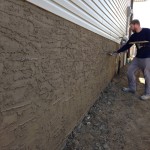
When homeowners search for basement wall parging, they are often referring to the exposed exterior portion of the foundation wall around the base of the house. That visible wall may be poured concrete, concrete block or another suitable foundation substrate.
J and J Coatings specializes in exterior foundation parging in Edmonton and surrounding communities. We do not use parging as an interior basement waterproofing system or as a substitute for structural foundation repair.
What Does Parging a Foundation Wall Mean?
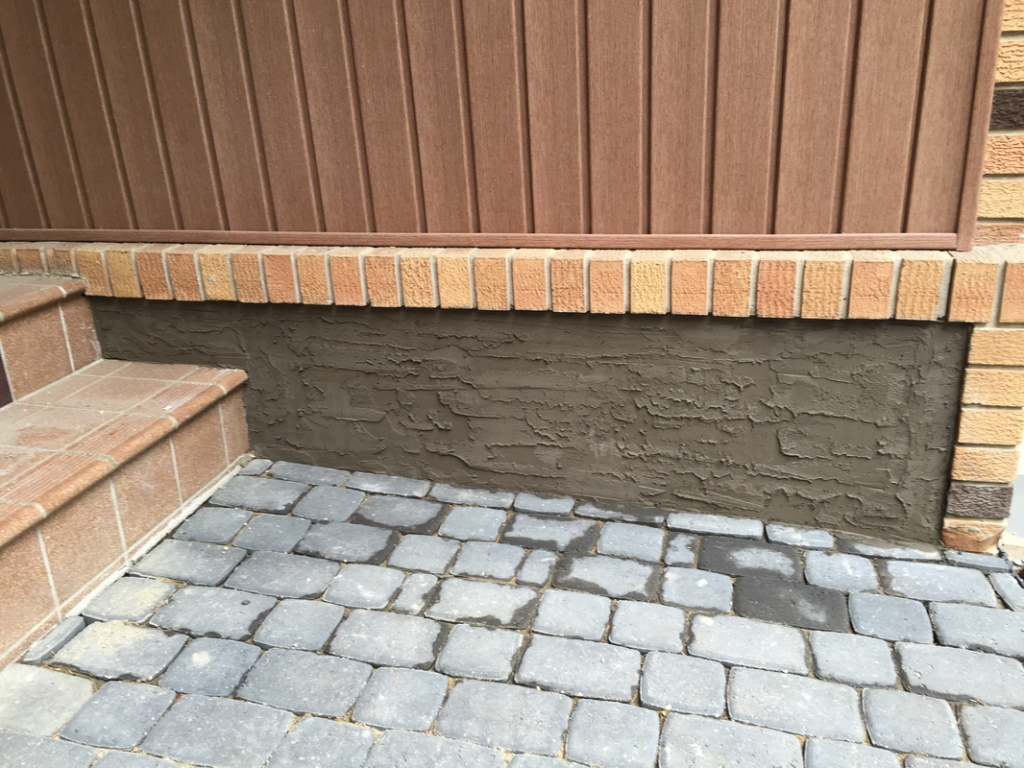
Parging is a cementitious finish applied over a prepared concrete or masonry surface. On an exterior foundation wall, it can create a more uniform appearance across form marks, minor surface irregularities, old patches and other cosmetic differences.
The correct scope depends on what is already on the wall. A bare new foundation is different from a wall with sound existing parging, and both are different from a wall with widespread hollow or delaminated material.
For a general introduction, see what parging is and how it is used.
Can a Poured Concrete Foundation Be Left Bare?
Yes. A sound above-grade poured-concrete foundation can generally be left exposed if the homeowner is comfortable with its appearance. Alberta’s building code does not impose a general requirement that exposed above-grade cast-in-place concrete foundation walls be parged, painted or coated simply because they are visible.
Parging is therefore commonly chosen as a finish rather than because every poured-concrete foundation requires it. It can create a consistent cementitious surface and give the visible base of the house a more finished appearance.
Concrete block is different. Above-grade concrete block foundation walls are subject to specific finishing requirements under Alberta’s Part 9 provisions, while below-grade foundation walls are subject to separate dampproofing or waterproofing requirements where applicable.
What Parging Does — and What It Does Not Do
Foundation parging can provide a continuous, maintainable exterior finish over a suitable substrate. It can cover normal cosmetic irregularities and can later be repaired or recoated if the finish becomes damaged or deteriorated.
Parging is not structural reinforcement, foundation crack injection, insulation or below-grade waterproofing. If a wall has active water entry, significant structural movement, drainage problems or a structural crack, those conditions may require separate correction.
New Foundation Parging
A newly poured concrete or masonry foundation may have form lines, tie locations, small surface voids, patching and colour variation. If a finished appearance is wanted, new foundation parging can create one consistent cementitious finish across the exposed wall.
The substrate is assessed and prepared before the finish is applied. The exact bonding method, reinforcement and coat thickness depend on the foundation material and project conditions.
Repairing Existing Foundation Parging
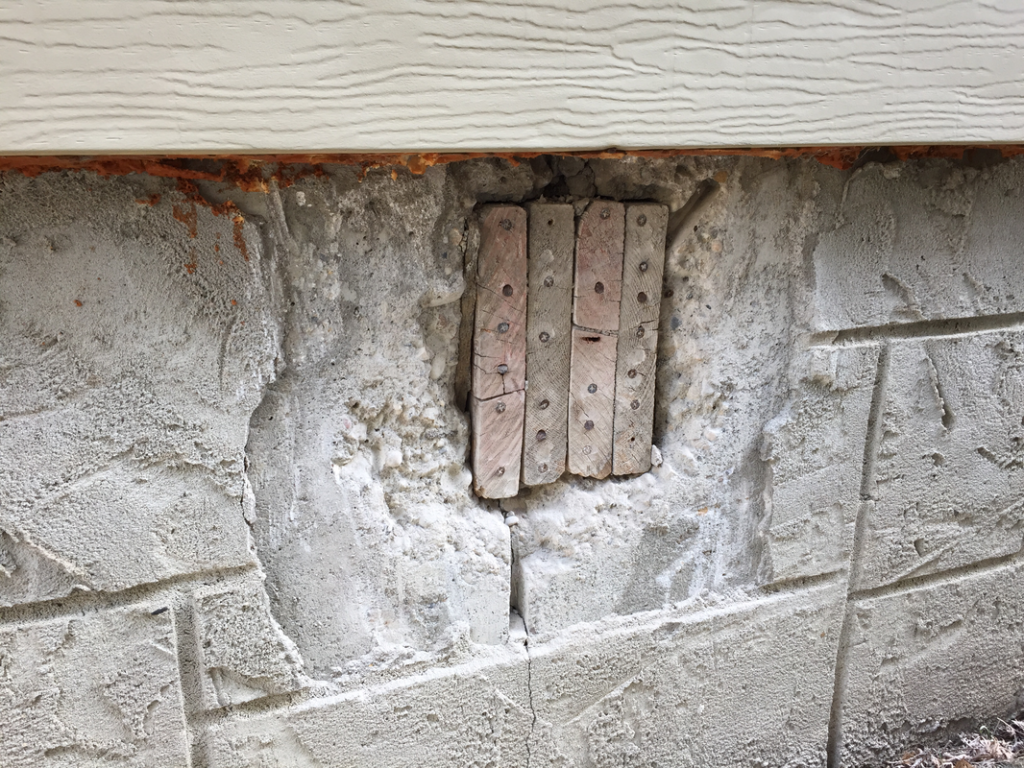
When an existing parge coat has a clearly defined damaged area and the surrounding material remains sound and well bonded, a localized parging repair may be appropriate. Typical examples include an isolated crack in the finish, damage around a basement window or a small impact-damaged section.
Loose or delaminated material should be removed before new material is applied. Simply covering hollow parging with another thin coat does not restore the failed bond underneath it.
When a Full-Wall Recoat Makes More Sense
If deterioration is spread across a larger portion of the foundation wall, repeated spot repairs can leave the elevation looking patchy and may not address all of the failing material. In those situations, a full-wall recoat or parging replacement can provide a more consistent result.
We generally assess the wall from corner to corner and base the recommendation on the actual condition of the existing finish rather than the size of the most obvious damaged spot.
What About ICF Foundation Walls?
Insulated concrete form foundations require a different approach because the exposed surface is foam rather than bare concrete or masonry. Our ICF parging uses a reinforced cementitious assembly with galvanized metal lath mechanically fastened to the ICF structure. The exact transition and waterproofing-interface details depend on the ICF system and project conditions.
Interior Basement Walls Are a Different Application
Most of our residential parging work is on the exterior foundation. If you are dealing with an interior basement wall that is leaking, damp, structurally cracked or being finished as living space, parging is not a substitute for diagnosing the underlying moisture, drainage or structural issue.
Interior basement waterproofing, crack injection and basement finishing are separate trades and are outside our normal parging scope.
How Much Does Foundation Wall Parging Cost?
Pricing depends on the length and height of the included wall, condition of the existing parging, amount of loose material that must be removed, access, windows and transitions, substrate and whether the work is a localized repair or a broader recoat.
See our Edmonton parging cost guide for current planning ranges.
Want us to look at your foundation wall?
Send a few clear photos showing the full wall and any damaged areas, along with approximate dimensions. For many straightforward projects, we can provide a written quote from photos. If we need a closer look, we’ll arrange an on-site estimate.