Bonding agents can be an important part of cementitious parging, but they are only one part of the system. A bonding product cannot make loose parging, dirty concrete or an unstable substrate suitable for recoating. Preparation still comes first.
What Does a Bonding Agent Do?
A compatible bonding agent is used to improve adhesion between a prepared substrate and new cementitious material when the selected system calls for it. The product is applied according to its manufacturer instructions and must be compatible with both the existing surface and the new parging material.
Bonding agents are not waterproofing, structural repair or a substitute for removing loose material.
Why Surface Preparation Matters More Than the Product Name
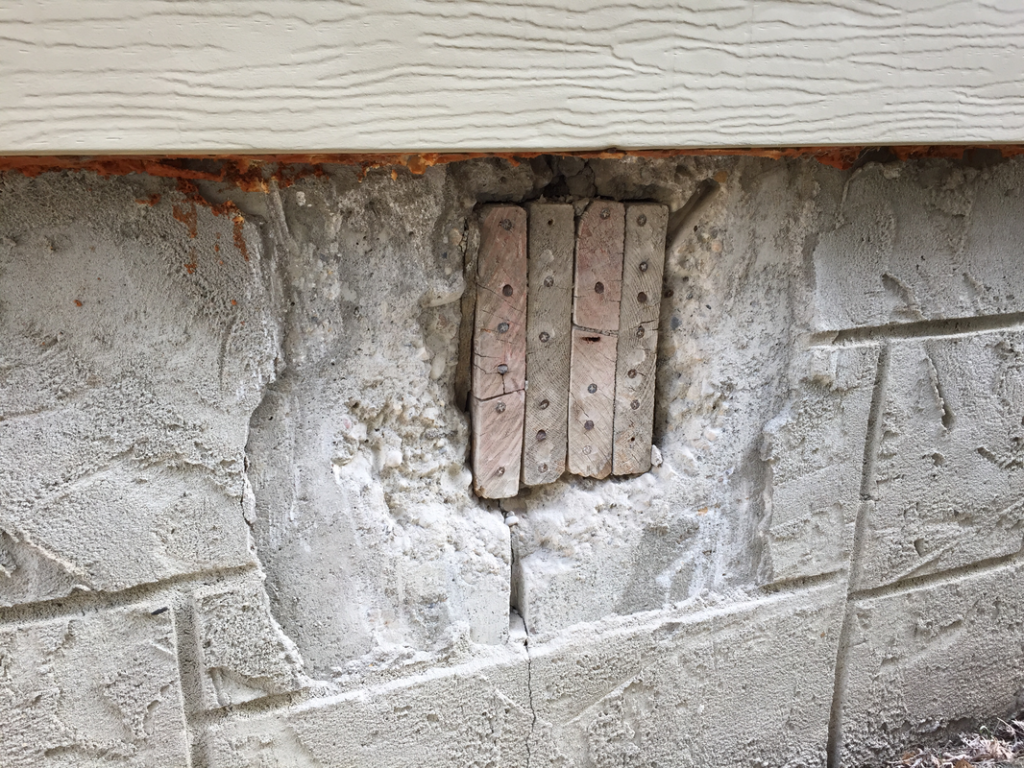
If existing parging is hollow or delaminated, applying a bonding agent over it does not restore the failed bond underneath. Loose material needs to be removed, the surface cleaned and the remaining substrate assessed before new material is applied.
This is the same principle used in our parging repair and full-wall recoating work.
Bonding New Parging to Concrete or Masonry
On prepared concrete or masonry, the bonding method depends on the condition of the substrate, the parging product and the scope of work. Proper cleaning, controlled mixing, suitable application thickness and curing all affect the finished bond.
For bare poured-concrete or block walls, see our new foundation parging service.
What About ICF?
ICF is different because the exposed surface is foam, not concrete. A bonding agent alone is not the support system we use. Our ICF parging uses galvanized metal lath mechanically fastened to the ICF structure before the cementitious finish is applied.
Edmonton Weather and Bonding
Cold temperatures, rapid drying and freeze-thaw exposure can all affect cementitious materials. We generally schedule exterior parging when temperatures are expected to remain at least 4°C for approximately 48 hours, while also considering the substrate temperature and actual weather conditions.
Bonding products help only when the rest of the installation is suitable. They do not compensate for freezing conditions, excess water in the mix, continued structural movement or ongoing drainage problems.
The Practical Takeaway
For durable parging, the sequence matters: assess the wall, remove unsound material, clean and prepare the substrate, use compatible bonding and reinforcement where appropriate, then apply and cure the cementitious finish correctly.
For current planning ranges, see our Edmonton parging cost guide. If you want us to review the substrate and likely preparation before pricing, request a parging quote and include photos of the wall and any loose or cracked areas. Qualifying J and J Coatings parging work is backed by our 30-year transferable written warranty, subject to the warranty terms and exclusions.