ICF Parging Edmonton
Reinforced cementitious parging for exposed insulated concrete form foundations in Edmonton and surrounding communities.
ICF Requires a Reinforced Parging System
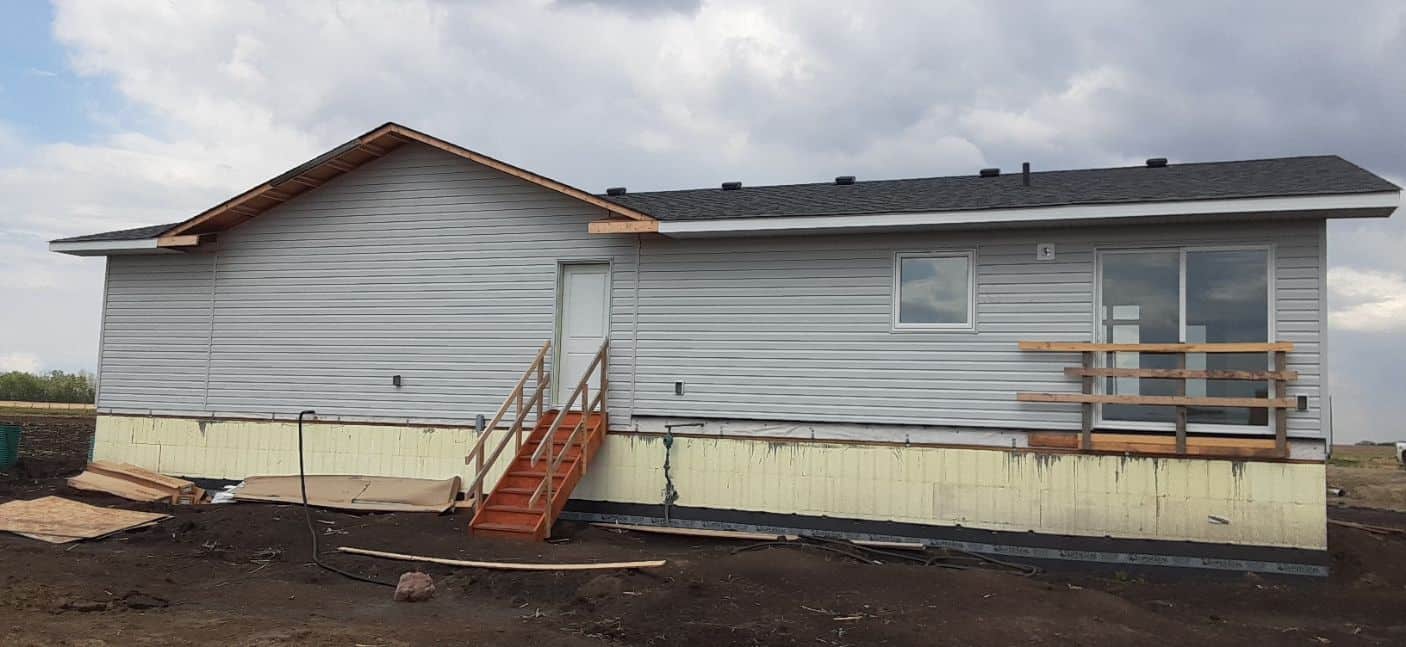
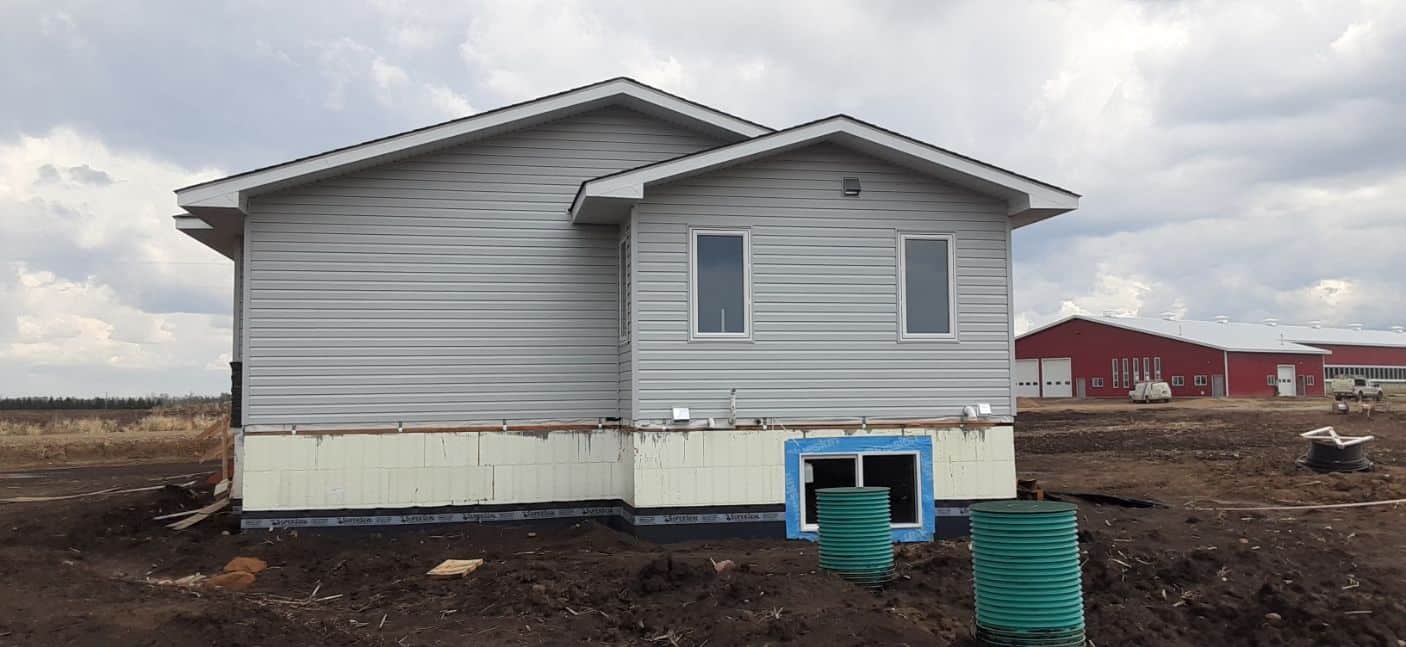
Insulated concrete form foundations leave foam exposed above grade. That surface is different from poured concrete and needs a mechanically supported base for a cementitious parging finish.
Our ICF scope is based on the actual ICF system, the exposed condition and the surrounding waterproofing and wall details. We do not treat ICF foam as if it were conventional concrete.
The Finish Is Tied Back to the ICF Structure
The foam face of an ICF block is not a masonry bonding surface. Galvanized metal lath provides the mechanical support needed for the cementitious coats and allows the finish to be secured to the ICF webs or fastening strips.
A Reinforced System From Foam to Finish
The exact assembly depends on the ICF system and project conditions, but our typical approach follows the same core sequence.
Identify ICF System
Locate fastening strips or webs and confirm the exposed foundation condition.
Review Transitions
Check openings, waterproofing interfaces and transitions to adjacent wall materials.
Detail Membranes
Install membrane or transition detailing where required by the project condition.
Fasten Metal Lath
Mechanically fasten galvanized metal lath into the ICF structure with appropriate corrosion-resistant fasteners.
Base Coat
Apply the cementitious scratch or base coat over the reinforced lath assembly.
Finish & Texture
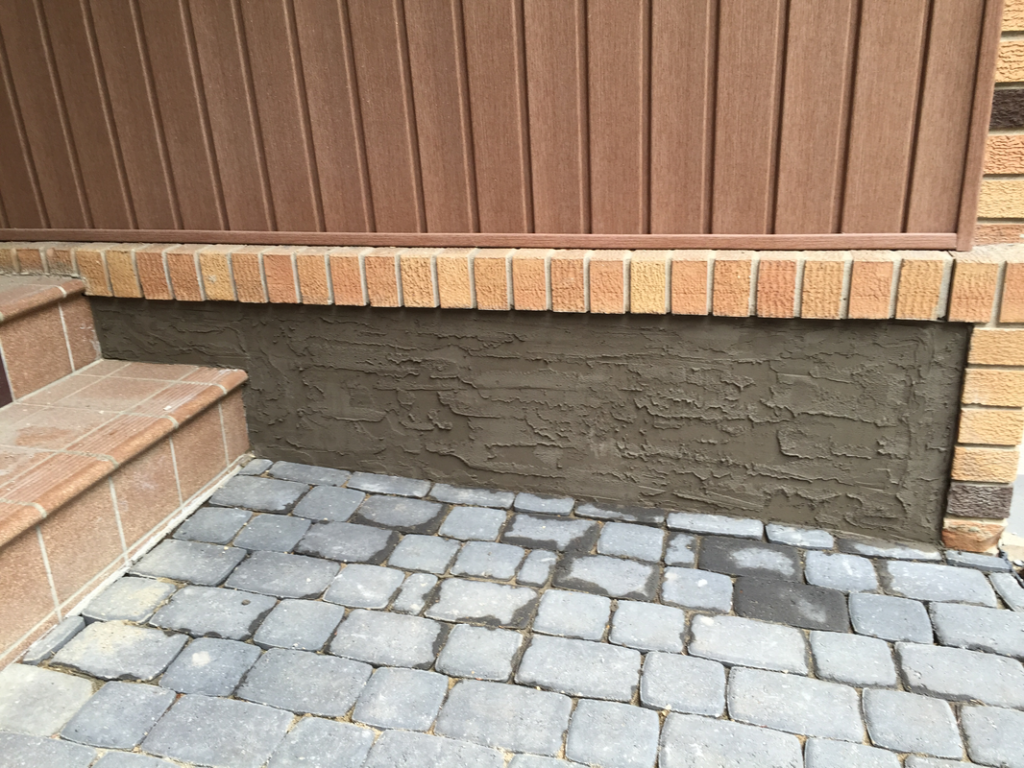
Apply the final cementitious coat and hand-finish the exposed foundation consistently.
Why We Use Metal Lath
The foam face of an ICF block is not a masonry bonding surface. Metal lath provides the mechanical reinforcement needed for the cementitious coats and allows the finish to be tied back to the ICF structure rather than relying on adhesion to the foam alone.
The exact fastening pattern depends on the ICF system and project condition, but the principle is the same: the reinforced finish is mechanically supported.
Cementitious Parging vs. Acrylic Foundation Finishes
We generally use cementitious parging for exposed ICF foundation areas. We do not recommend simply extending a conventional acrylic stucco finish into at-grade or below-grade exposure unless the complete specified system is approved for that use and its drainage, waterproofing and termination details are properly designed.
Repairing Existing ICF Foundations
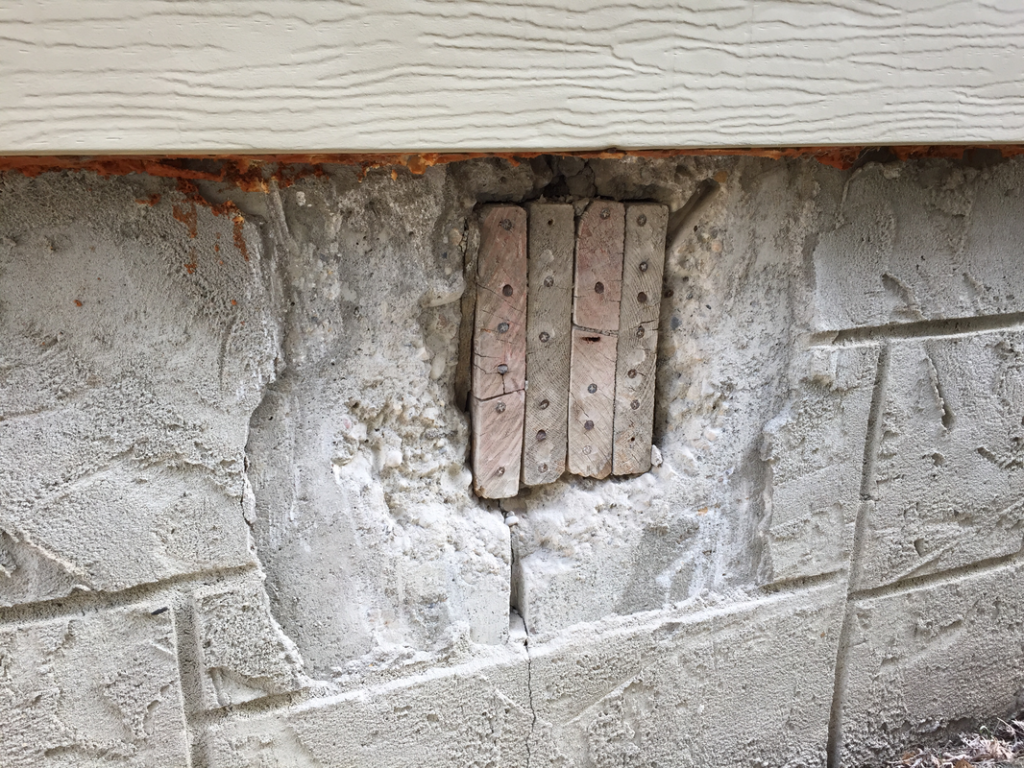
We also work on existing ICF foundations where the original finish is missing, damaged or failing. Previous coatings, exposed foam, damaged mesh, fastener locations and transitions are reviewed before the repair scope is confirmed.
New Homes, Additions and Garages
ICF is common on new custom homes, additions and other energy-efficient foundation systems. We can quote from site photos, drawings or the ICF manufacturer information when available.
30-Year Transferable Warranty
Qualifying ICF parging work is backed by our 30-year transferable warranty, subject to the written terms, substrate conditions and exclusions.
Frequently Asked Questions About ICF Parging
Can cement parging be applied directly to ICF foam?
Our ICF system is not applied directly to bare foam. We install a reinforced base using galvanized metal lath mechanically fastened to the ICF structure before applying the cementitious coats.
Why do you use metal lath on ICF?
The lath provides mechanical support for the cementitious finish and ties the parging assembly back to the ICF webs or fastening strips rather than relying on the foam surface for bond.
How is the lath attached to ICF?
The lath is mechanically fastened into the ICF fastening strips or webs using appropriate corrosion-resistant fasteners. The exact fastening pattern depends on the ICF system and project conditions.
Do you use acrylic stucco on ICF foundations?
Our standard foundation approach is cementitious parging. Acrylic systems can only be considered where the complete manufacturer-approved assembly is suitable for the exposure and the drainage, waterproofing and termination details are correct.
Can you repair existing ICF parging?
Yes, depending on how the existing finish was installed and what has failed. We assess the coating, reinforcement, exposed foam and transitions before deciding whether a localized repair or a broader renewal is appropriate.
Planning an ICF Parging Project?
Send us photos, drawings or the ICF manufacturer information if available and we can quote the appropriate reinforced system.